In a marketplace crowded with claims of “organic,” “GOTS-certified,” and “OEKO-TEX approved,” discerning readers persistently ask: what does this actually mean for health, for comfort, and for sleep that doesn’t sleep you? The conversation about organic mattresses is, in essence, a conversation about trust. It invites comparisons not merely of layers and densities, but of ethics, supply chains, and the quiet rituals of care—the way one pillow prompts a good night, and one mattress prompts a morning that doesn’t feel like a compromise.
The two brands at the center of our inquiry—Naturepedic and Savvy Rest—arrived at the market with distinct philosophies. Naturepedic built a reputation on a clean-room philosophy: no polyurethane foams with questionable additives, no flame retardants, and a devotion to organic cotton and latex. Savvy Rest approached the same terrain with a wedded sense of customization—firmness options, modular toppers, and a belief that sleep should be tailored like a bespoke coat. Each brand has a story, and stories have a way of shaping the night as much as the fabric does.
The Core Certainties: What Certifications Really Mean
Certifications are more than badges; they are declarations about the provenance of materials and the conditions under which they are produced. Among the loudest chorus of assurances you will hear in the organic-mattress conversation are GOTS (Global Organic Textile Standard), GOLS (Global Organic Latex Standard), and OEKO-TEX. Each certification answers a different question:
- GOTS primarily covers textiles—organic fibers with strict criteria on processing, dyeing, and finish. In a mattress, GOTS is a sign that the fabric layers, ticking, and any cotton components have been produced to high ethical and environmental standards.
- GOLS applies to latex. A GOLS-certified latex layer promises that the latex is certified organic from tree to final product, limiting chemical interventions and supporting a more natural feel.
- OEKO-TEX concentrates on the absence of harmful substances in finished products, testing for a wide range of chemicals and ensuring skin-contact safety.
The practical import of these standards is not simply a checklist; it is a narrative about what your sleep surface has been through. If you care about the journey of materials—from the grove to the bed—certifications offer a map. But they do not, by themselves, tell you everything about comfort. For comfort, you must listen to touch, to temperature, to how a given layer feels after hours of fidelity to your body’s curve.
Naturepedic: A Return to Honest Materials
Naturepedic has built its reputation on a principled refusal to compromise on purity. Its mattresses often showcase organic cotton, breathable latex, and natural fillings that avoid low-cost synthetics. The brand’s approach to layers—protective, tactile, and transparent—invites you to trust what you feel when you lie down. The materials often tell a story of balance: a surface that breathes, a support system that doesn’t trap heat, and a finish that remains free of harsh chemical odors.
Savvy Rest: Customization as Comfort
Savvy Rest enters with a different vow: sleep should be adjustable. The brand specializes in customizable firmness through modular toppers, allowing sleepers to modify feel over time without replacing the entire mattress. This is a secular, practical fealty to personalization, a nod to the modern sleeper who spikes the thermostat of desire for a sleeping surface that can morph with seasons, posture, or evolving needs.
Three Key Figures Through Time
Three individuals, shaped by different centuries, illuminate our modern quest for comfort:
- A Medieval Wheelwright (14th–15th century): In the glow of candlelit workshops, this craftsman would appraise a bed’s foundations—frameworks and bed bolts—before the quality of the linens. The moral is discipline: the frame holds you; the mattress only follows.
- An Enlightenment Philosopher (18th–19th century): Think of the era’s insistence on rational order—where sleep is a health practice, and the bed is a space for inquiry, not mere repose. This lineage reminds us that sleep is a habit shaped by philosophy as much as by foam and fiber.
- A Modern Sleep Scientist (late 20th–21st century): The contemporary voice that dissects what true rest requires—temperature regulation, proprioception, and the ethics of sourcing materials. This is the person who would tell you that comfort is not a luxury but a biological necessity.
The throughline: whether one is building a bedframe from wood, arguing about the ethics of the harvest, or choosing between latex and memory foam, the bed is a theater for health, for memory, and for the quiet rituals that separate a good night from a mere pause in the day.
Practical Guide: How to Evaluate an Organic Mattress
The following considerations cut through marketing rhetoric and bring you to what matters when choosing a mattress intended to be organic. The process is less a hurdle and more a mindful ritual—an invitation to try, test, and translate sensation into decision.
- Materials and feel: If you love a surface that is buoyant yet supportive, latex tends to deliver a springy, breathable profile, whereas organic cotton wraps the comfort layer with a cool, dry touch. Naturepedic often emphasizes a transparent layering approach, while Savvy Rest emphasizes modularity with toppers.
- Temperature regulation: Wool, cotton, and latex each behave differently under heat. Consider your climate, bedding layering, and whether you tend toward warmth or coolness at night.
- Firmness options and customization: If you find a one-size-fits-all mattress unsatisfactory, Savvy Rest’s toppers may offer a practical path to per-night personalization without sacrificing the integrity of the core.
- Durability and warranty: A robust warranty is not merely a promise of replacement; it’s a window into the confidence a brand has in its materials and craftsmanship.
- Ethical sourcing and certifications: Look for GOTS for textiles, GOLS for latex, and OEKO-TEX for chemical safety. These signals reflect a brand’s commitment to human and environmental health across supply chains.
Product Spotlight: Paloma Earth Bedspread as a Textural Counterpoint
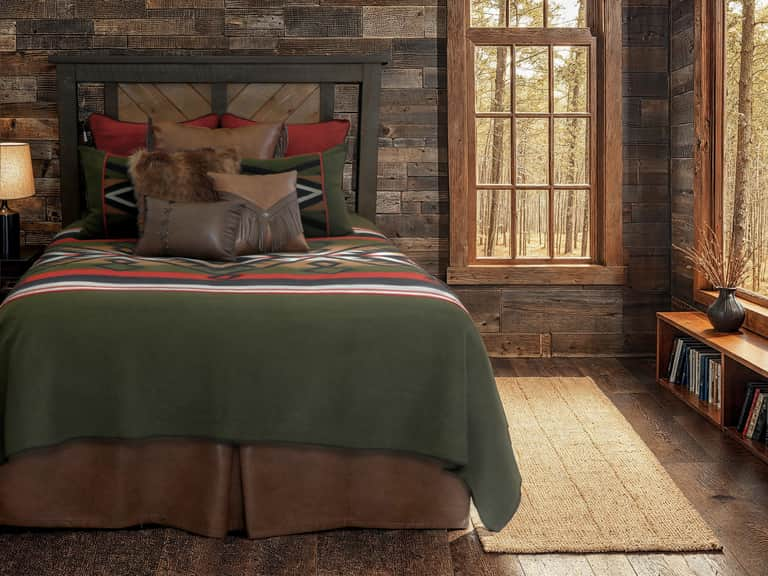
To anchor our discussion in a tactile delight, consider the Paloma Earth Bedspread from Wooded River—though not a mattress, its wool composition and earthy palette offer a sensorial counterpoint to the mattress conversation. It embodies the same reverence for natural materials and durability that characterizes organic sleep systems. The Paloma Earth Bedspread’s warmth and wool’s climate-regulating qualities echo the ethos that a well-chosen bed begins long before you lie down: it begins with the fiber and the care with which it is woven and finished.
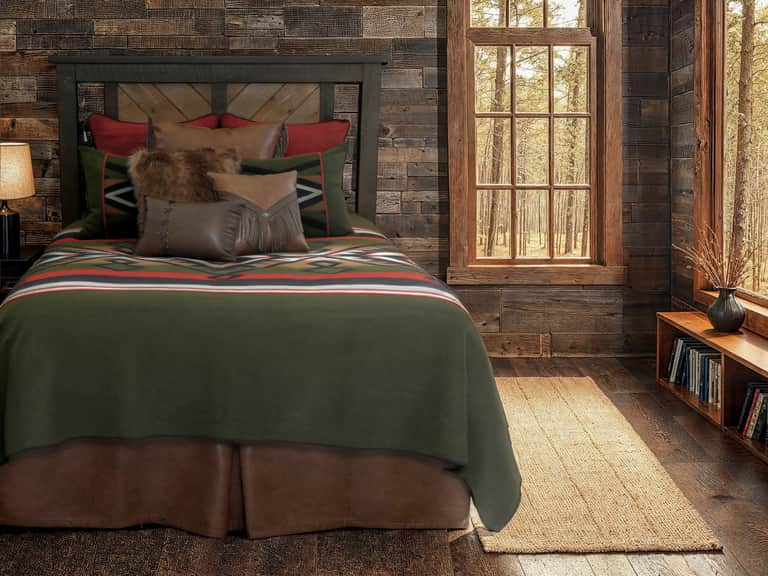
Paloma Earth Bedspread
Wooded River, Wool, Easy Care
A warm, natural touch that blends comfort with rugged style for a versatile bedroom centerpiece. Material: Wool (Signature Washable Wool pattern). Care: Machine washable.
Price: $540.00
Three-Time-Period Perspectives: Echoes in the Night
Each of the three figures we named offers a unique lens on the bed’s importance:
- The Medieval Wheelwright would insist that a sturdy frame is the bed’s first virtue. A solid foundation prevents creaks, sagging, and misalignment that can muffle the gentleness of your nightly rest. In a way, Naturepedic’s rigorous attention to non-toxic, breathable layers is the modern equivalent: a frame that whispers rather than roars with chemical interventions.
- The Enlightenment Philosopher would argue that sleep is a data point in human health—a daily experiment in self-optimization. The cushion is not merely a comfort item, but a test of habit, ritual, and discipline. Organic certifications become a language for scientific-minded sleep seekers who want transparency as a baseline.
- The Modern Sleep Scientist would remind us that comfort is not a single sensation but a system: temperature, pressure distribution, spinal support, and long-term material behavior. The interplay between latex responsiveness, cotton breathability, and wool’s moisture management is where the science meets the art of a good night.
Conclusion: A Practical, Humane Approach to Rest
Selecting an organic mattress is not merely choosing a product; it is choosing a relationship with sleep. The brands Naturepedic and Savvy Rest offer different pathways to the same essential promise: you deserve a sleeping surface that respects your health, your everyday comfort, and the world that sustains you. Whether you lean toward Naturepedic’s purity, Savvy Rest’s modularity, or a nuanced blend of both, the goal remains the same—a quiet, restorative night, where the dawn doesn’t feel like a compromise but a renewal.