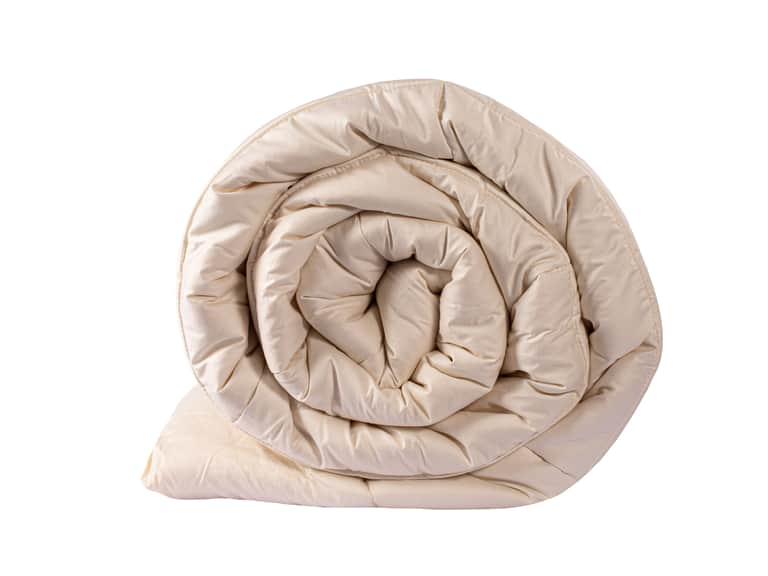
Wool comforters are prized for their natural insulation, moisture management, and temperature regulation. This category highlights comforters crafted from high-quality wool fibers, which provide warmth without excessive weight. Understanding fiber structure, breathability, and durability helps explain why wool is a popular choice for year-round bedding, especially in varying Wyoming climates.
Key features to consider include wool fiber loft, moisture-wicking capability, and temperature balance. Wool fibers trap air to create insulating layers while actively releasing excess humidity, which helps maintain a comfortable sleeping environment. This makes wool comforters suitable for those who prefer a lighter feel with effective thermal performance during different seasons.
Among notable products are Sleep and Beyond and myMerino Wool Comforter Light. The Sleep and Beyond model emphasizes breathable warmth and durable construction, while the myMerino Wool Comforter Light prioritizes a lighter fill for versatile use. Both options showcase natural insulation, allergy-friendly properties, and long-lasting resilience in bedding systems.
In practical terms, wool comforters integrate well with a range of bedding arrangements, including pairing with breathable sheets, duvet covers, and compatible organic mattresses. Their natural characteristics support a comfortable, consistent sleep climate, reducing the likelihood of overheating or excessive coolness. They also offer low static electricity and a pleasant, natural wool scent for some users.
For those seeking educational context on materials, wool comforters illustrate how fiber choice influences warmth, weight, and care needs. Proper care typically involves spot cleaning or gentle laundering as recommended, with air drying to preserve loft. Keywords such as bedding, pillows, duvet covers, and comforters reflect the broader category relevance and aid in semantic search alignment.
 Bedding